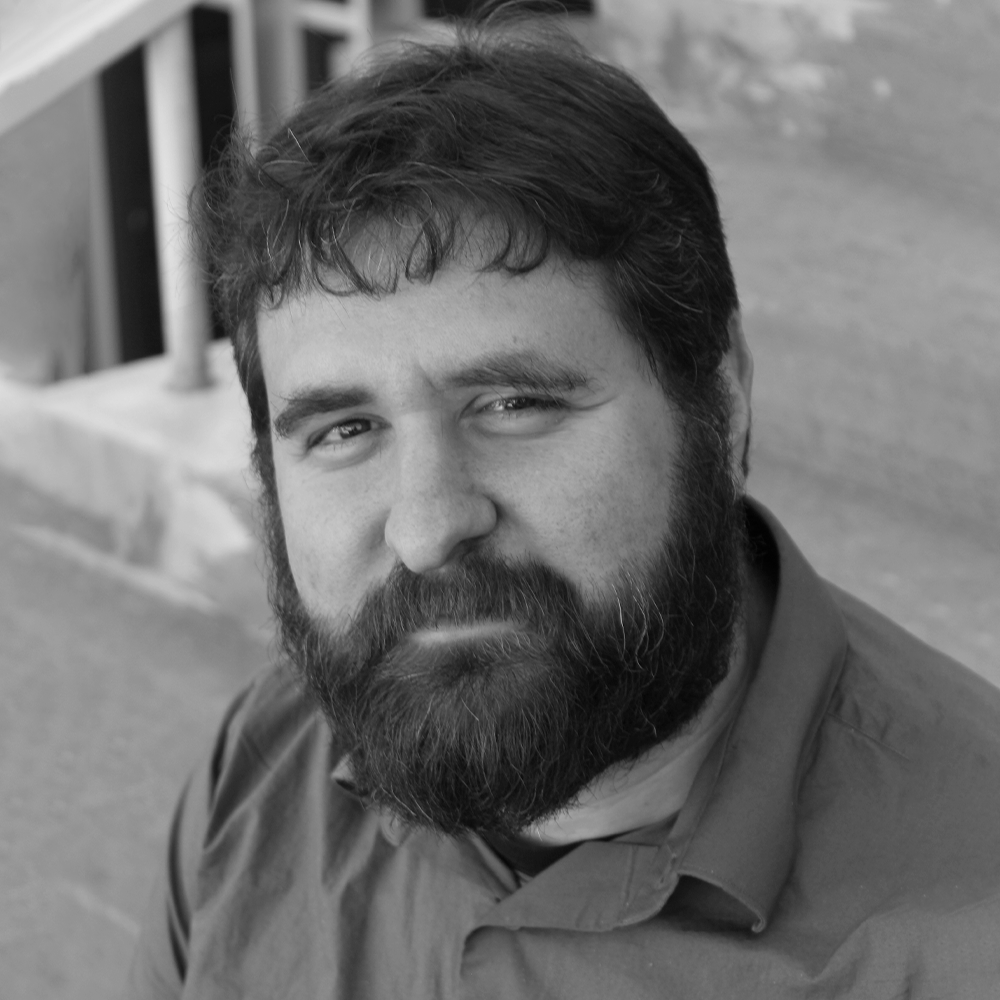
Dr. Michael Mirer
Associate Professor in the University of Wisconsin-Milwaukee Department of Communication. He researches the shifting boundaries of journalism in the digital age with an emphasis on sports media.
Bluesky: @michaelmirer.bsky.social
Email: mirer@uwm.edu
Before most games at the World Cup, Fox’s pregame broadcasts would linger in the tunnel prior to the teams walking out for national anthems. As the Iran team gathered at Los Angeles’ SoFi Stadium on June 15th for its opening match, the chatter on the broadcast turned to the players. “It doesn’t matter what happens outside the pitch. The (players’) focus is on the game. The pitch is immaculate; the weather is beautiful,” said Obi John Mikel, the Nigeria legend doing studio work for Fox in the United States. “Enjoy football. Football is what unites us and brings us together.”
This was as close to as Fox’s pregame came to fully describing the surreality of Iran’s presence in the World Cup. Its team was walking into a stadium on the soil of a country that had been bombing its territory for more than three months. Unmentioned in an hour of pregame also was Iran’s sudden change of training location from Tucson to Tijuana and demands by the U.S. government that Iran’s players and staff spend as little time as possible on American soil. Those were realities from Planet Earth.
After coding ten days of Fox TV’s pre-match programming, those broadcasts seemed to be emanating from Planet FIFA.
The buildup to every mega-event starts with the political overhang of the host country. There was Putin’s consolidation of power in 2018, Qatar’s labor practices and LGBTQ+ polices in 2022, and the United States’ violence toward immigrants in 2026. It is a cliché to say that once the matches begin concerns about the political situations recede into the background. Attention goes where people direct it. Rightsholders exercise agenda-setting power over the mega-event. Once the games started on Planet FIFA, Fox made an affirmative choice to never look away from the pitch.
Sporting mega-events are elaborate television shows. FIFA’s contractors provide game images internationally, and each national rightsholder provides their own commentary and storytelling. But games are only part of the show. Shoulder programming – pre-games, post-games, late night shows – is where the production builds the stakes and introduces characters to the broader audience. Even Americans who have club allegiances during the 47 months between World Cups were meeting players and encountering stories they might not have known.
Rightsholders at megaevents can maroon us on Planet FIFA (or Planet Super Bowl or Planet Olympics). In the United States, where soccer’s national media footprint is relatively small, the agenda-setting power may be immense. The exertion of narrative control holds immense commercial value for FIFA. And providing that creates a financial windfall for broadcasters. On Planet FIFA, soccer “brings the world together” but leaves unsaid why we might be separated.
The point here is not to complain about journalistic malpractice but rather to contextualize the types of journalism in this coverage. Independent sports media is in decline, and the ability of smaller outlets to get our attention relies on the whims of algorithms. Fox did have a crew of reporters traversing the continent doing stand-up reports, but their reports only really focused on what people said in the match-day-minus-one press conferences. Who would be healthy? What tactical approach would teams take? This is what in-house reporters for team sites prioritize as well. When Fox left the pitch or the press conference it was to display fan culture like the Netherlands’ fan bus or else to reach back into history for some of the perennial contenders. Even an attempt to take on a real historical wrong, Canadian soccer’s exclusion of members of the First Nations, was in service of the local organizing committee’s narrative of inclusion. That is worth something, and it had a space in Fox’s first day of coverage.
But for the most part, stories about the exclusion of a Somali referee to the demands placed on the Iran team to the struggles that Cape Verde goalkeeper Vozinha had getting a visa for his mother to attend matches, would come from elsewhere. In Vozinha’s case, Fox’s telecast most focused on his spike in Instagram followers. While an ESPN news alert told us Ghana’s Thomas Partey was banned from entering Canada due to rape charges the Fox studio hosts merely referred to “his absence” in a tactical discussion.
Planet FIFA is not hermetically sealed despite the best efforts. Missives from Planet Earth occasionally sneak through, such as when DR Congo star Joane Wissa’s gave a postmatch interview in which he said, “Back home in the east there’s a war. We know we have to fight and compete for them.” I am entirely unclear how much the average American knows about what is happening Congo right now.
I do know that the atmosphere on Planet FIFA filtered that out. Wissa’s statement went unaddressed any further and discussion moved on to international megastar Cristiano Ronaldo of Portugal.
Planet FIFA continued to spin on its preferred axis.