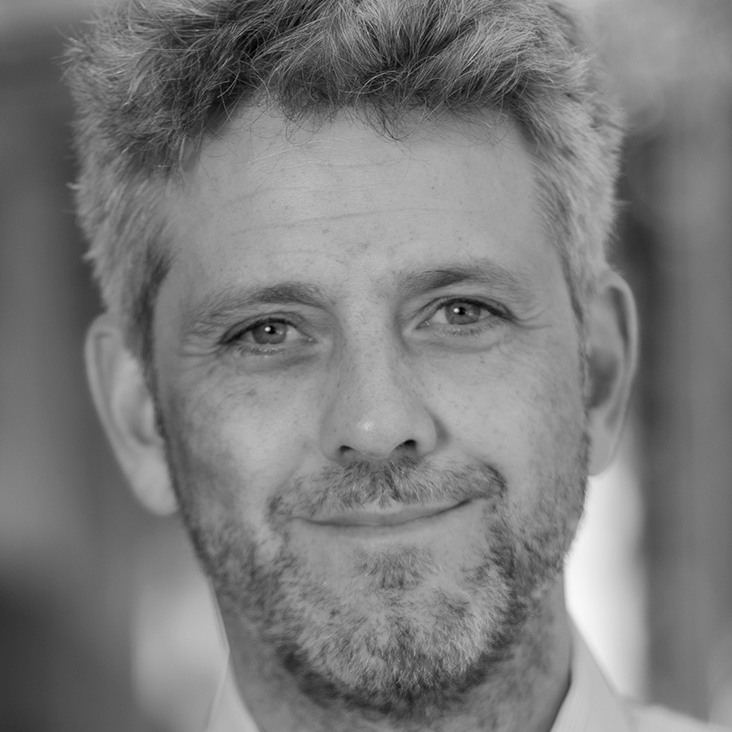
Dr. Peter English
Senior Lecturer at the University of the Sunshine Coast. PhD, University of the Sunshine Coast, 2014. Peter’s research focuses on sports journalism, with an emphasis on its journalists, content, and social media. Peter has worked as a sports journalist for more than two decades and is the author of Olympic Outliers: Brisbane 2032 and the Future of the Olympic Games.
Email: penglish@usc.edu.au
There is no joy in being in the manager’s seat when a nation is booted from the World Cup. No matter what the players did – or did not do – the finger of blame instantly points towards the sideline. From Sabri Lamouchi being sacked after Tunisia’s first-game loss to Sweden, to Senegal and Czechia looking for replacements after going out in the group stage, there was little online or media sympathy for the bosses when the final whistle blew.
At times, even those who were successful were heavily criticized. Thomas Tuchel quickly shapeshifted from “swooning” sex symbol to under-performing German taking the blame for England’s loss to Argentina in the semi-finals. The third-placed finish was the team’s best result since winning way, way, way back in 1966.
The furious reactions highlight the ongoing problems of fandom, trolling and online incivility in media and sport. Previously, the sports media were the main medium for apportioning blame and directing it to supporters, but in the modern environment the journalists’ hot takes are often well behind the wave of rage already posted and shared on social media.
By the journalists’ World Cup deadlines, many of the lasting judgments had already been made. Whether it was the description of Australia manager Tony Popovic and his “disaster class” in Dallas, including allowing 18-year-old Lucas Herrington to take an ultimately missed penalty against Argentina, or the “Sack Tuchel now” X posts for his conservative tactical switch when leading against Lionel Messi’s men, to whatever substitution backfired when the team you support left the tournament.
With the World Cup over by a week at the time of writing, it will take some time to sift through the more than 500,000 social media messages we collected across the event. But an initial exploration reflects pockets of anger and incivility during a tournament that ratchets up the levels of supporter passion – or obsession.
Social media trolling is not new, of course, and there are many examples of criticism and hate speech occurring, including content analysis and interview research in women’s football. There has been less focus on the coaches, although male managers at the 2023 FIFA Women’s World Cup were targeted more by female fans on social media. The US manager Vlatko Andonovski was one focus of complaint, with his team losing to Sweden in the Round of 16.
The comments are an indication of how the people in these positions have overall responsibility for the team – and the results. In the men’s World Cup numerous coaches resigned after poor tournaments, with Scotland’s Steve Clarke a notable example, stepping down just weeks after signing a four-year contract extension.
One of the advantages of the managers at these events is they are usually much older than the players, and therefore more mature. (Julian Nagelsmann was the youngest in charge this time, aged 38 when Germany lost to Paraguay in the Round of 32.) They have dealt with abuse from crowds over the years, and are better prepared to withstand the shouting from the media and the echoes from social media rage sphere.
Or they might not be on the socials at all, like Marcelo Bielsa, the 71-year-old Chilean who this time managed Uruguay to a group-stage exit. He missed the extensive online commentary about how his hiring had been a mistake.
However, Carlo Ancellotti, the 67-year-old Italian in charge of Brazil, posted on Instagram to his 18.7 million followers about how the “pain is deep” after the Round-of-16 exit, receiving more than 45,000 comments. There were positive replies among those messages, with people saying they were looking forward to him being back in 2030, but many others told him in varying degrees of intensity to go back to Italy, that he was not wanted, and a Brazilian should be in the dugout who understands the country.
Lionel Scaloni, the Argentina manager, managed to escape most of the criticism at home, especially in the online media, despite his team struggling throughout the final and not having a shot at goal until extra time. But he had the extra capital of winning in Qatar in 2022.
It wasn’t just the football coaches who received torrents of social media criticism. The “manager” of FIFA, Gianni Infantino, was often a target for his extensive travel, the decision to install drinks breaks in each half, the price of tickets and the decision to overturn the red card for Folarin Balogun following a call from Donald Trump. “F*** Trump” and “F*** Infantino” posts appeared over these on-the-run rule shifts, and there was considerable satisfaction in non-US spaces of the internet when Belgium beat the USA 4-1.
More criticism followed as the tournament trophy was presented to Spain in New York, with Infantino failing to stop Trump from photobombing the on-stage celebration. Despite the widespread online shouting, both of these leaders kept their jobs.