Karan Rai
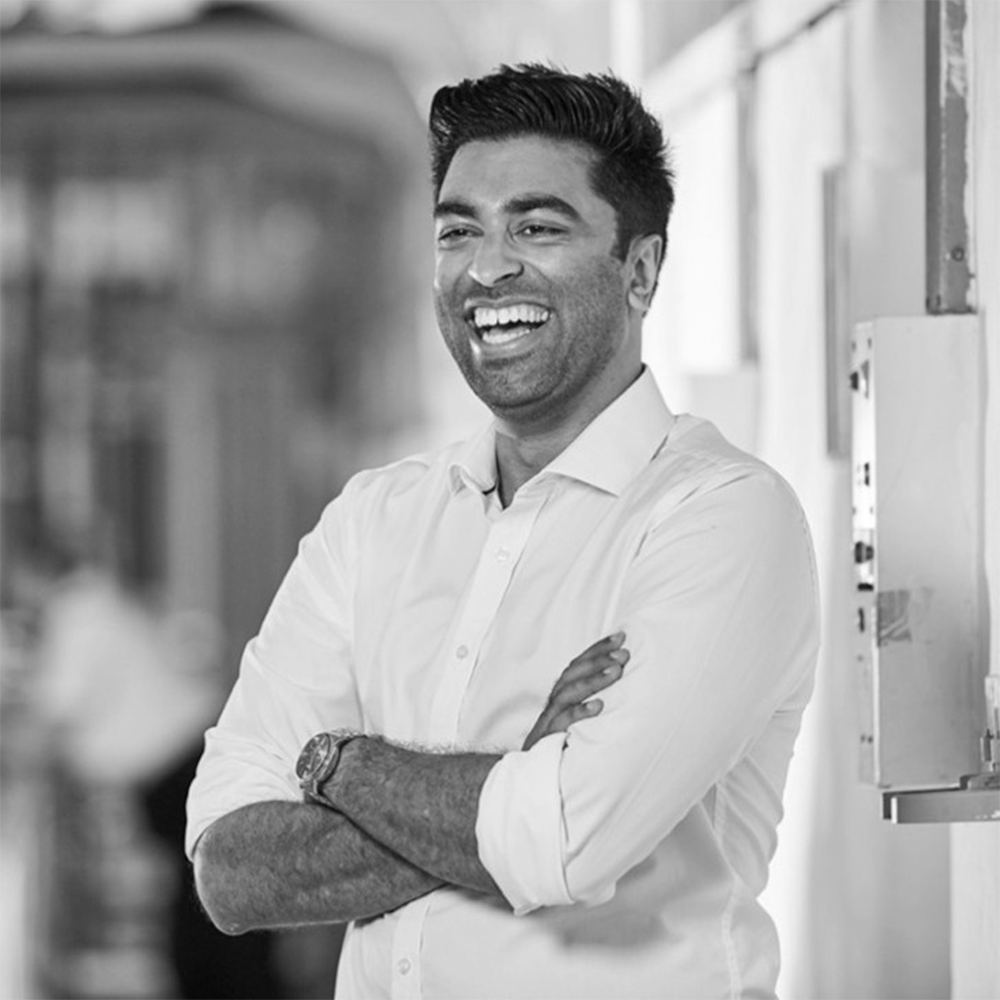
Karan was appointed as EDI Insights and Research Manager as part of a Knowledge Transfer Partnership between Leeds Beckett University and ProRef in April 2025. The 30-month project aims to develop, monitor and evaluate pioneering EDI initiatives across multiple levels of the professional and grassroots game leading to the development of a more diverse and representative community of officials. Karan has a background working in the Criminal Justice Sector, mainly for the Unlocked Graduates programme where he spent time working as a frontline Prison Officer and worked on a variety of prison reform projects aimed at breaking cycles of re-offending. He is also a Trustee of the National Football Museum and qualified to become an active match official in November 2025
Email: karan.rai@proref.co.uk
LinkedIn: https://www.linkedin.com/in/karanrai94/

Prof. Daniel Kilvington
is a Professor in Media and Culture at Leeds Beckett University. His teaching and research focuses on race/ethnicity, racism and anti-racism in sport and new media contexts. He is widely published in academic journals, and is author of six books, including Sport, Racism and Social Media (2015), Online Research Methods in Sport Studies (2019), and Sport, Media and Discrimination (2025). He is the co-founder of the annual Sport and Discrimination Conference series, and has presented a number of keynote papers at academic and industry events. He has secured significant external funding for research with the Arts and Humanities Research Council (AHRC), the British Academy (BA) and Innovate UK, and has undertaken research collaborations with stakeholders including the English Premier League (EPL), Kick It Out, Football Against Racism in Europe (FARE), The England and Wales Cricket Board (ECB), The Lawn Tennis Association (LTA), Sport England, The Rugby Football Union (RFU), to name but a few. Across these externally funded collaborations he has generated significant impact through the development of new EDI related policies and resources.
E-Mail: d.j.kilvington@leedsbeckett.ac.uk
LinkedIn: https://www.linkedin.com/in/daniel-kilvington/

Arran Williams
is a dedicated Equality, Diversity & Inclusion (EDI) professional with a decade of experience driving transformative change within sporting organisations through EDI initiatives. Currently serving in a pivotal role at Pro Ref, Arran has steered the organisation towards national and international acclaim for its proactive & collaborative efforts in addressing significant underrepresentation in officiating roles.
LinkedIn: https://www.linkedin.com/in/arran-williams-1b797253/
E-Mail: Arran.Williams@proref.co.uk
The 2026 World Cup has highlighted the growing scale of online abuse in football. FIFA’s Social Media Protection Service identified over 7 million harmful and abusive posts this summer, compared with 470,000 in 2022. Racism accounted for around 11% of abusive content, the same proportion as 2022. Although FIFA has not released a full breakdown of this summer’s trends, its 2022 analysis found that 13% of abuse was sexist and 12% homophobic, showing the tournament’s digital space is hostile for marginalised groups.
While public attention has focused on players, less attention has been paid to match officials and what online abuse means for the future diversity of officiating. Concerns about an officiating “talent drain” are growing, with half of sporting federations reporting that officials are routinely targeted and 90% agreeing online abuse could drive officials away from sport.
VAR has intensified officials’ visibility, with decisions scrutinised after matches end. The experience of French referee, François Letexier, demonstrates how quickly scrutiny can lead to personal abuse. Following Egypt’s defeat to Argentina, conspiracy theories alleging bias spread online, leading to calls for Letexier’s removal. He later deactivated Instagram after becoming the target of abuse, misinformation and antisemitic conspiracy claims. The episode illustrates why FIFA Refereeing Chief Pierluigi Collina has described online hatred towards officials as “a cancer that could kill football”.
Online abuse also raises important questions about representation. The reaction to the first all-female refereeing team at the 2022 World Cup demonstrates why visibility cannot be separated from the environments officials enter. In a study of more than 22,000 Twitter posts discussing the team, only 8% of comments were supportive or normalising, while almost 92% contained sexism, exclusion, mockery or insults. These findings suggest that increasing representation alone is not enough if officials continue to encounter hostility once they reach the highest levels of the game.
Representation remains a challenge within officiating. Women accounted for just 3.5% of officials appointed to the 2026 World Cup, while women and ethnically diverse officials remain underrepresented across many domestic pathways. Because World Cup referees emerge from these systems, representation on football’s biggest stage is shaped at domestic level. Research highlights the importance of visible role models in encouraging participation among underrepresented groups. When aspiring officials see someone who shares their background or community operating at the highest level, the pathway can feel achievable.
Omar Artan’s case highlights the intersection between online harm and representation. Artan’s selection as the first Somali referee appointed to a FIFA World Cup was a milestone for Somali football and officials from underrepresented communities. The President of Somalia described Artan as a “symbol of inspiration for Somalis”. However, following his exclusion from the tournament after US authorities cited vetting concerns, false social media content reportedly linking Artan to anti-US posts circulated online. Artan publicly denied any connection to the account, stating that he had never operated an X/Twitter account. Regardless of whether the misinformation influenced events, the episode demonstrates how quickly online impersonation, misinformation and false narratives can become attached to match officials. More importantly, it illustrates how online harms can overshadow significant moments of representation. If visibility helps underrepresented communities see a future within officiating, online environments that distort those moments may weaken their impact.
The experiences of Letexier, Artan and the all-female refereeing team illustrate that online abuse is not simply just an issue of on-field criticism. In each case, hostility extended beyond performance and became linked to identity, representation or wider social narratives. Research suggests online abuse disproportionately affects marginalised groups and can contribute to withdrawal, reduced public engagement and longer-term professional harm. Within officiating, social media abuse has been linked to distress, anxiety, depression and intentions to leave the profession. Together, these examples raise a wider concern: if visible role models help demonstrate what is possible, abuse and misinformation may undermine some of the positive impacts representation is intended to create.
This question is reflected in emerging findings from our Knowledge Transfer Partnership between Pro Ref and Leeds Beckett University, which aims to improve diversity across English refereeing. Our research illustrates that despite many officials actively avoiding social media, they are made aware of it through media reports while family members and friends often forward screenshots of abusive messages to them. Several officials described searching anonymously for comments about their performances, suggesting that simply advising referees to “stay off social media” overlooks how abuse continues to enter officials’ lives. Our research suggests these experiences may influence how individuals view their future within officiating. Some young female referees described feeling hesitant about pursuing elite officiating after seeing high-profile female officials subjected to sexist abuse online, while one ethnically diverse referee recalled observing racist comments questioning whether he had been appointed on merit or ethnic background. These experiences raise wider questions about who sees officiating as a place where they can belong and succeed.
The World Cup has highlighted that online abuse is embedded in the environment in which referees operate. As football seeks to improve diversity and representation, a key question remains: can the game attract and retain officials from underrepresented communities if they continue to see abuse, hostility and discrimination directed at those already there? The challenge is not simply recruiting more diverse officials but ensuring the environments they enter encourage them to stay, progress and believe they belong.