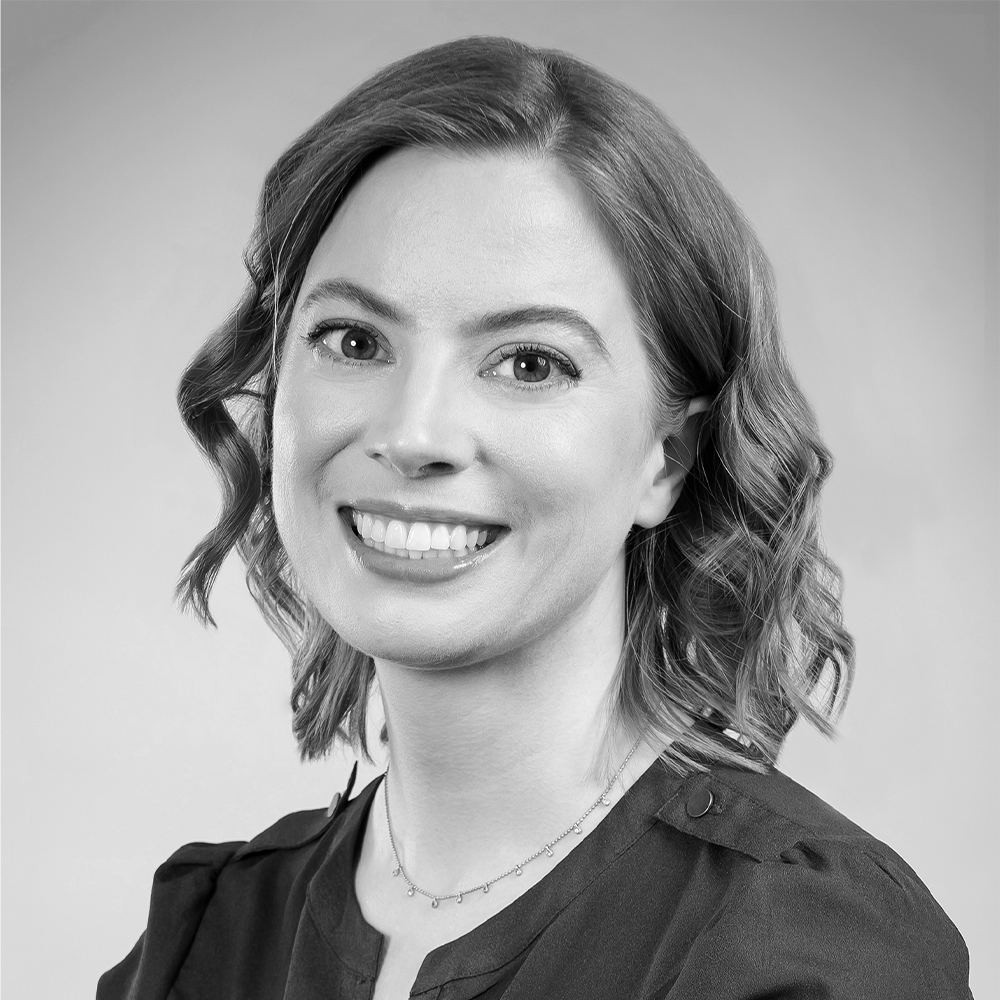
Dr. Kathleen Bachynski
Dr. Kathleen Bachynski is an Associate Professor of Public Health at Muhlenberg College. Her research focuses on sports safety and youth health, with recent projects addressing traumatic brain injuries in sports, overuse injuries, the #MeToo movement and protecting young athletes from sexual abuse.
Email:
kathleenbachynski@muhlenberg.edu
Mass sports gatherings pose substantial potential for infectious disease spread. With 48 national teams competing in matches scheduled across three countries, the 2026 World Cup presented heightened public health risks as the biggest soccer tournament ever organized. Yet, the United States, the largest of the three host countries, found itself facing this complex infection control challenge with a greatly weakened public health infrastructure. Nearly 20 percent of the CDC’s staff were either fired or resigned in the year since Elon Musk’s DOGE began carrying out mass terminations in January 2025. Robert F. Kennedy Jr., at the helm of the Department of Health and Human Services, has sown doubt in vaccines and proposed focusing limited federal resources on chronic diseases rather than infectious diseases. Cooperation with global health authorities has also been hobbled. Notably, in January 2026, the Trump administration announced that the United States had completed its withdrawal from the World Health Organization. American World Cup host city officials reported receiving federal dollars for security needs, but not for public health.
In this context, non-governmental and civil society organizations sought innovative ways to fill the gaps. In May 2026, Dr. Rebecca Katz at Georgetown University launched the Health Security Operations Center (HSOC) to monitor possible infectious disease threats. Such an operations center for a mass event would typically be sponsored by a government entity. But Katz and other collaborators developed the idea for an independent operation in fall 2025 when they observed the limitations of official efforts. According to Amesh Adalja, a senior scholar at the Johns Hopkins Center for Health Security, “The CDC has that expertise, but the CDC is a shell of what it once was… The CDC is not as equipped as it could be to handle any kind of role they might have in terms of mass gathering–related outbreaks.”
HSOC, then, was established as a novel effort to leverage non-governmental public health expertise and support an overstretched government public health workforce. HSOC is relying on the University of Hawaiʻi’s Pacific Disaster Center’s DisasterAWARE platform to integrate a variety of data sources, from electronic health records to wastewater surveillance. In addition to academic institutions, the HSOC coalition includes various technology and communication organizations, such as Samsung Electronics America, Verily Health and Your Local Epidemiologist.
Even prior to the first kick off in June 2026, this collaborative approach to disease surveillance delivered an encouraging proof of concept. Your Local Epidemiologist created a research listening arm, Project Stethoscope, which was activated for the World Cup. Discussion of gastrointestinal symptoms on a Reddit thread proved to be an early signal of an uptick in adenovirus F40/41 in the Seattle area about 30 minutes away from a World Cup stadium. Although this is a relatively mild virus and not a reportable condition, the early detection highlighted the potential benefits of incorporating social media data, wastewater testing, weekly surveys and other forms of disease surveillance.
HSOC and other independent surveillance initiatives are showing promise as stopgap measures amid a dearth of federal support for addressing infectious diseases. Yet these efforts can also be seen as a microcosm of a broader shift in the United States toward private models to address public health threats. As physician and scientist Siddhartha Mukherjee has observed, this trend was accelerated by the U.S. response to Covid-19. In 2020, as the CDC failed to develop reliable laboratory tests for Covid-19 and underfunded government health agencies struggled to marshal resources, private enterprise and decision making increasingly ascended.
So far, the legacy of the Covid-19 pandemic in the United States has been a systematic dismantling of federal public health institutions. Enterprising and talented individuals and private institutions are stepping into this breach, as illustrated by HSOC and other initiatives to protect public health during the World Cup. Their efforts are commendable, but they also raise profound questions about the future of public health in the United States. In what ways can private actors support public health, and what are the dangers of increasingly depending on private entities to manage public health threats?
Mukherjee warns that “just when we should be demanding more public accountability and reliability, we seem to be turning away from the idea that health is a collective endeavor, a public good at all.” Individual experts and private organizations can certainly play a role in protecting public health, as the World Cup has demonstrated so far. But the mission of public health is ultimately a public one. Public health data must be safeguarded as a public good, particularly given that the commitments of private sector actors to stakeholders and other private interests can sometimes conflict with the ethical commitments of public health.
Consequently, we ultimately need to strengthen our public institutions, with a priority on improving mechanisms of accountability, transparency and trustworthiness. Well-managed public-private partnerships have great public health potential. But careful public stewardship is crucial to mitigate the pitfalls, particularly when comes to the confidentiality and uses of sensitive health data. Ideally, HSOC and other such initiatives harnessing the talents of private actors would be doing so with the support and oversight of a well-resourced, transparent government infrastructure, rather than responding to dangerous gaps left by hollowed-out federal health agencies.