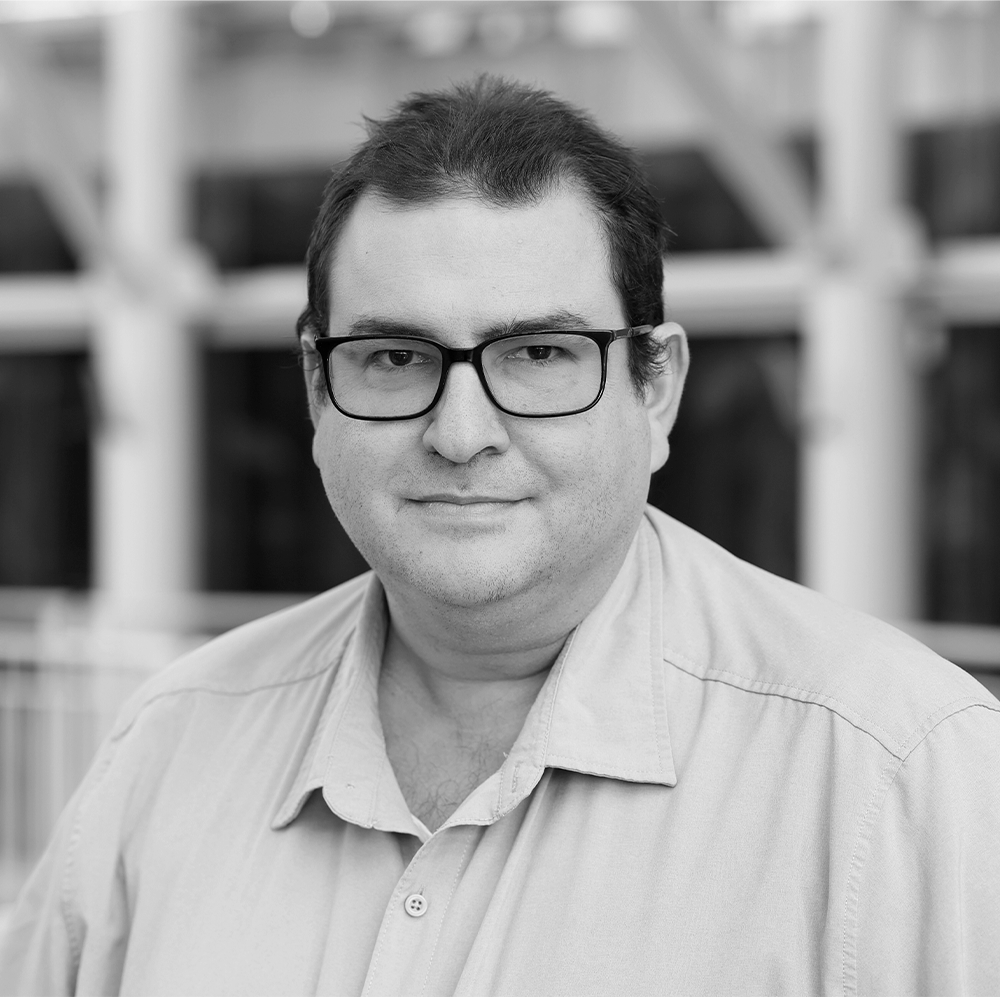
Dr. Yoav Dubinsky
Associate Teaching Professor in the Lundquist College of Business at the University of Oregon and the Operational Director of the University of Oregon Olympic Studies Hub. His interdisciplinary research focuses on sports, nation branding and public diplomacy. Author of “Nation Branding and Sports Diplomacy: Country Image Games in Times of Change” (Palgrave Macmillan, 2023), and “A New Olympic Era: Navigating Socioeconomic, Geopolitical, and Environmental Complexities” (Routledge, 2026).
Email: yoavd@uoregon.edu
LinkedIn: https://www.linkedin.com/in/yoavdubinsky/
The 2026 FIFA World Cup in the United States, Mexico, and Canada is 180 degrees shift from the Qatar 2022 FIFA World Cup. From compact games in newly built stadiums that were within 1.5 hours of the capital Doha, to a competition spread across North and Central America, in 4 different time zones, where flying was needed between almost all games, and regularly crossing national borders that require visas. The legacy of Qatar 2022 is controversial and very much in the eyes of the beholders, reflecting a clash of cultures between the West and the Global South. Despite the sportswashing and greenwashing controversies of Qatar 2022, having competitions in close proximity made the tournament convenient to stakeholders. Yet, the USA, Canada, and Mexico, missed that lesson, leading to an extremely expensive FIFA World Cup that was also described as the most polluting one ever.
The 2026 FIFA World Cup was the biggest tournament to date, with 48 competing teams, spread across three countries in North and Central America. Mexico is a passionate football country, who hosted the FIFA World Cup in 1970 and 1986, and the Azteca Stadium is one of the most iconic venues to the sports brought authenticity to the game. Yet the coverage of the tournament also shed light on protests over social, economic, and political struggles. Brand America brought marketing and revenues into the tournament, leading to unprecedented revenue generations. Yet, the organization also faced criticism over dynamic pricing that priced out many fans, and commercialized hydration breaks that impacted the field of play and de-facto made the two halves into four quarters. The USA, who previously hosted the 1994 FIFA World Cup, was further criticized over immigration and visa policies, and the war with Iran that impacted the travel and preparations and potentially the performance of the Iranian team. Canada hosted Olympic Games and the 2015 FIFA Women’s World Cup, but at least on the men’s side, was considered a developing football country. Thus, at least from a branding perspective, the authenticity of Mexico, the financial orientation of the USA, and developing football in Canada, had a country image and nation branding narrative the 2026 FIFA World Cup could have built upon.
The 2026 FIFA World Cup took place during America 250, so there was a bigger story to tell through experiencing Middle and small-town America through the competition. Yet, the planning missed that opportunity. Due to the constant need to fly, even coast-to-coast or regional road trips themes looking for America and experiencing the U.S. though country roads were not feasible. Most of the experience beyond the big host cities were through the base camps of the competing teams. On the other hand, cities had their own city diplomacy, marketing plans, and branding initiatives. Seattle, a progressive liberal city, who had the USA play Australia on Juneteenth, held the Pride Game which featured Iran and Egypt (two countries that discriminate against the LGBTQ community), emphasized sustainability, community outreach, and some connection to indigenous culture in the region. Yet, fans, delegations and media, needed to fly after each game, were rarely exposed to a larger American story, to the State of Washington or to the majestic Pacific Northwest. And that could be said amid most host cities.
The organization of the games were in high standards, and despite fears of extreme weather or gun violence, fans appreciated the modern stadiums and shared ample memes of experiencing American culture and food such as Waffle House, ranch sauce, or just large portions of soda cups or BBQ dishes. Most host cities had fan zones and areas with restaurants fans visited and enjoyed, yet despite the stadiums reaching capacity, there was also disappointment that due to the high-ticket prices and overall travel costs, fewer foreign or out-of-state visitors came. Beyond the host cities, the World Cup was not necessarily financially or culturally felt across America.
A more inclusive and sustainable hosting model would focus on hubs: dedicated cities or regions with at least two stadiums to host a group stage each, four hubs with larger stadiums will host 8 teams that compete between themselves in rounds 32, 16, and quarter finals knockout stages, and a last hub that hosts the final four. The USA alone has over 100 professional and collegiate stadiums in over a dozen cities or regions that meet FIFA’s capacity regulations for the group stage (to name a few to pick from: Seattle, San Francisco, Phoenix, Houston, Detroit, Boston, Salt Lake City, Minneapolis, Indianapolis, Philadelphia, Orlando, Los Angeles, Dallas, Atlanta, New York/New Jersey, Washington DC/Maryland and New Orleans). Mexico and Canada would create their own hubs for the group stages. Rounds 32, 16 and the quarter finals could take place in four hubs with at least two large stadiums of 60,000 capacity such as Los Angeles, Dallas, Atlanta, and Washington DC/Maryland, and the final four in New York/New Jersey. Just as an example.
Such a model does not require frequent travel and crossing national borders, reduces costs for the fans, make the competitions greener, give more countries opportunities to experience the games and enjoy a larger economic impact on the region. Such a sustainable model for future hosts could have been the legacy of the 2026 FIFA World Cup. Instead, the largest FIFA World Cup became a missed place branding opportunity.