
Dr. Xavier Ramon
Associate Professor at the Department of Communication of Universitat Pompeu Fabra. His research focuses on sports communication and media accountability. Serves as co-chair of the IAMCR Media, Communication & Sport section and the ECREA Communication and Sport Temporary Working Group.
Email: xavier.ramon@upf.edu
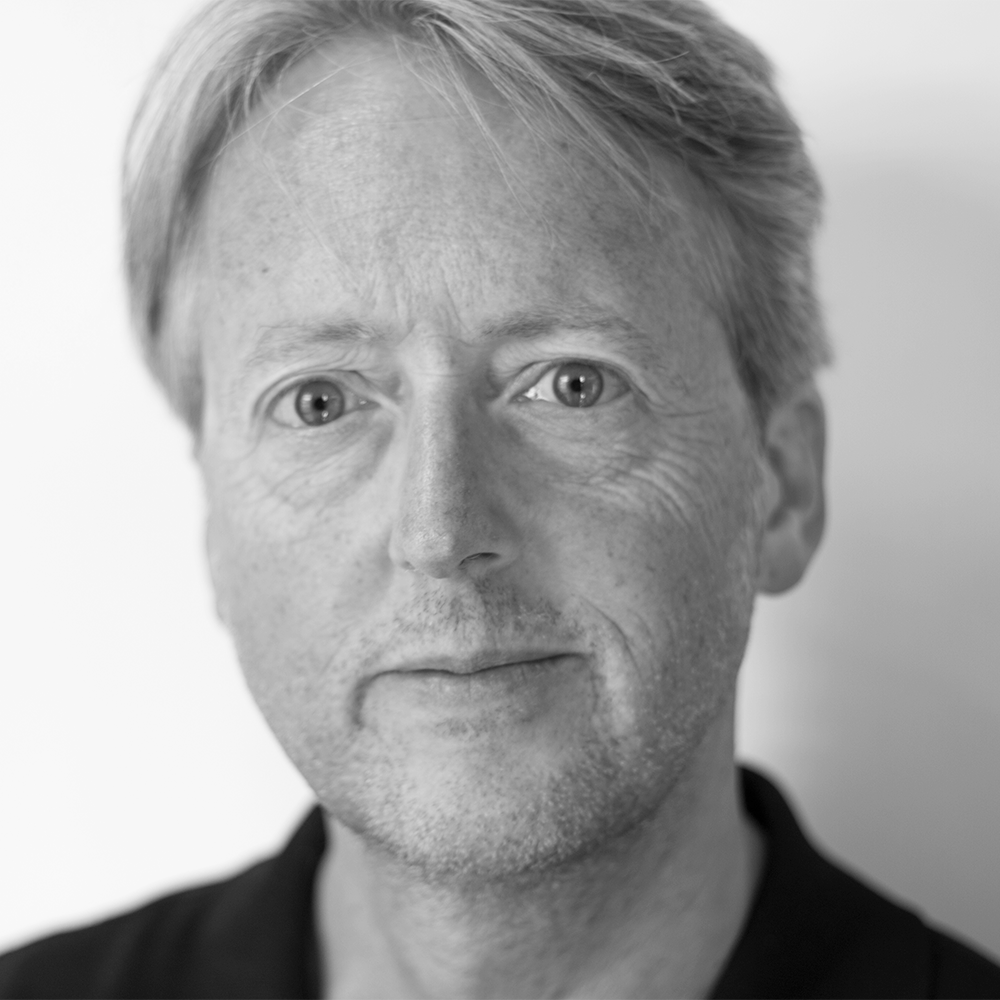
Dr. Christopher D. Tulloch
Associate Professor at the Department of Communication of Universitat Pompeu Fabra. His research focuses on sports communication, sportswashing and sports media innovation. Member of POLCOM-GRP Research Group-UPF. Course module leader in Sports Communication Management at the Barcelona School of Management.
Email: christopher.tulloch@upf.edu
The Athletic has established itself as “a dynamic force in the sports media marketplace” through comprehensive coverage and high-quality editorial practices. Before the 2026 FIFA World Cup, the outlet announced its multiplatform coverage featuring daily podcasts, reporting from 16 host cities and the launch of “The Athletic FC: Daily Cup” show. Considering that sport can only “be understood in the light of the historical, social, technical, political and economic contexts that run through it”, we set off to examine how The Athletic engaged with these dimensions. During the competition timeframe, the outlet published over 150 articles evaluating the tournament’s larger framework through a focus on five core areas.
The on-going sport/politics nexus
On July 5th, The Athletic’s Dan Sheldon and Adam Crafton revealed the overturn of USMNT player Folarin Balogun’s red card following Donald Trump’s intervention. Articles relating to this “were featured on the front pages of over 35 nationally-distributed newspapers globally”. Despite FIFA claiming the independence of its judicial bodies, The Athletic did not refrain from mentioning that “the Trump administration and lawyers it recruited were part of a coordinated lobbying effort that put pressure on FIFA to rule in Balogun’s favor” and highlighted UEFA’s subsequent criticism alongside demands from European lawmakers and FairSquare to investigate Infantino’s role.
Beyond this controversy, the publication reflected on the travel bans imposed by the U.S. State Department on fans from Senegal, Ivory Coast, Iran and Haiti while updating readers about Omar Artan, a Somali referee denied entry to the U.S. Prominently, the outlet highlighted Iran’s challenging circumstances due to travel restrictions and also referred to FIFA’s ban on pre-revolutionary flags. Addressing the Falkland Islands dispute, The Athletic provided context on Argentina’s chants and scrutinized both Argentina’s celebration with a banner in the semi-final and subsequent White House support.
The increasing commercialization of global sport
Following concerns over overpriced tickets, The Athletic highlighted empty seats visible around hospitality areas. During the competition, the outlet monitored the rise of ticket prices on resale sites, which reached unprecedented levels for the final. The Athletic also revealed that the Attorney General of New Jersey intended to continue investigating ticketing practices including “FIFA’s use of variable pricing, the perception of scarcity in available tickets, as well as FIFA’s invention of a higher-tiered and higher-priced ‘front’ row category after millions of tickets had already been sold.” Additional financial scrutiny appeared in “The BookKeeper – Exploring FIFA’s finances” and articles exposing FIFA’s plan to sell MetLife Stadium grass for $11.2M.
Weather challenges
The Athletic’s meteorological coverage transcended discussions regarding hydratation breaks. Meteorologist Aaron Mentkowski delivered daily updates on what has been “the warmest edition since the previous World Cup in North America”, offering insights into the impact of extreme heat and humidity, the logistical challenges occasioned by thunderstorms and heat mitigation measures to assist fans. Furthermore, leading sports scientists were consulted to analyze what happens to players’ bodies under extreme heat conditions.
Social challenges: protests, security and deprivation
The publication noted that the tournament “kicked off with co-hosts Mexico meeting South Africa in Mexico City against a backdrop of significant civil unrest and anti-government protests”. Jacob Whitehead’s special report, titled “Searching for Mexico’s disappeared in the shadow of the World Cup”, illustrated the grief of families of disappeared people to whom “the presence of the World Cup is unwelcome while their sons and daughters remain unfound”. Focusing on the U.S., the outlet examined the SoFI union’s “concerns about the role of ICE at the World Cup” and scrutinized firearm regulations in host states. The Athletic also investigated about social deprivation and the fentanyl crisis in Vancouver and Seattle, signaling that “as cash sloshes around this tournament, the gap between Little Saigon, Downtown Eastside and the world beyond is only getting bigger”.
Sexual violence and discrimination issues
Sexual violence was recognized as “the story of the biggest World Cup in history that nobody wants to talk about”. Cases involving Ryan Mendes, Achraf Hakimi and Thomas Partley served as a springboard to discuss violence against women and the absence of consistent and clear protocols. Journalists also analyzed football-related domestic violence and the launch of the ‘Support is a team sport’ campaign in England.
Discrimination debates featured prominently throughout the coverage. In June, the outlet reported on a VAR referee accused of making ‘White power’ gesture and discussed the inclusivity of the tournament in the light of the World Cup Pride Match. It also critiqued Rafael van der Vaart’s remarks towards Japanese players, Bastian Schweinsteiger’s description of African football and Abigail Velez’s comments about Bosnia. By July, debates followed on Paraguayan senator Celeste Amarilla’s racist remarks towards Kylian Mbappe and former Spanish PM Mariano Rajoy’s comments about the France national team.
Concluding remarks
Traditionally, critical media discourses in the run-up to major tournaments are quickly eclipsed once the sporting competition begins. By contrast, The Athletic’s coverage of the 2026 FIFA World Cup offers a prime example of a sustained engagement with complex issues beyond the field. Through the depth and diversity of its reporting, the outlet demonstrated its ability to transcend the ‘stick to sports’ mandate that has historically constrained sports journalism. Going forward, The Athletic should continue scrutinizing the larger framework during the World Cup’s aftermath and ahead of future mega-events like the Los Angeles 2028 Summer Olympics.