Zoe Tzanis
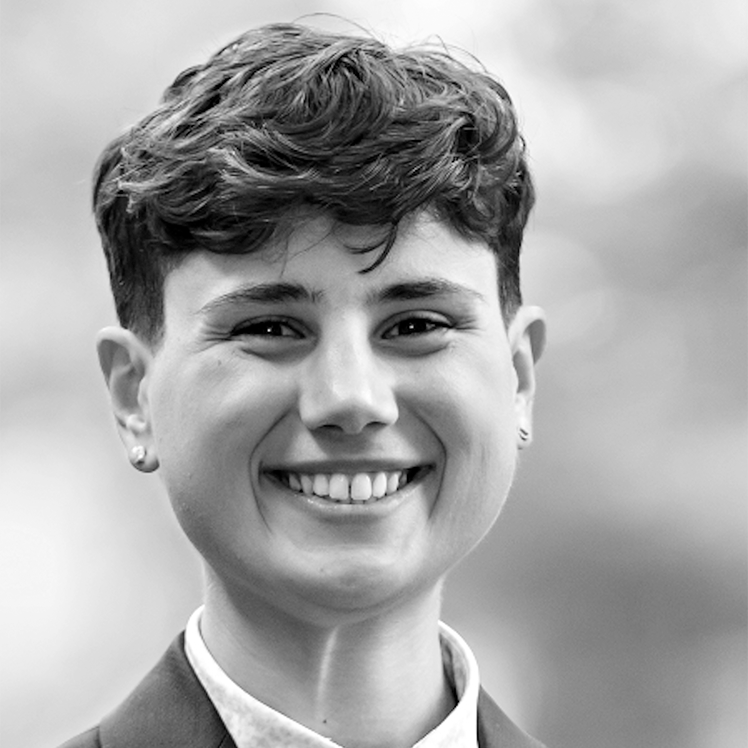
Zoe Tzanis is a PhD student at the University of Pittsburgh and Graduate Research Fellow at the Communication Technology Research Lab (CTRL). They study how sports culture and industry adapts to emergent media technologies, and they have written extensivley on media coverage of the 2022 World Cup and WNBA.
Email: zet21@pitt.edu
LinkedIn: www.linkedin.com/in/zoe-tzanis-105245222
Substack: @zoetzanis
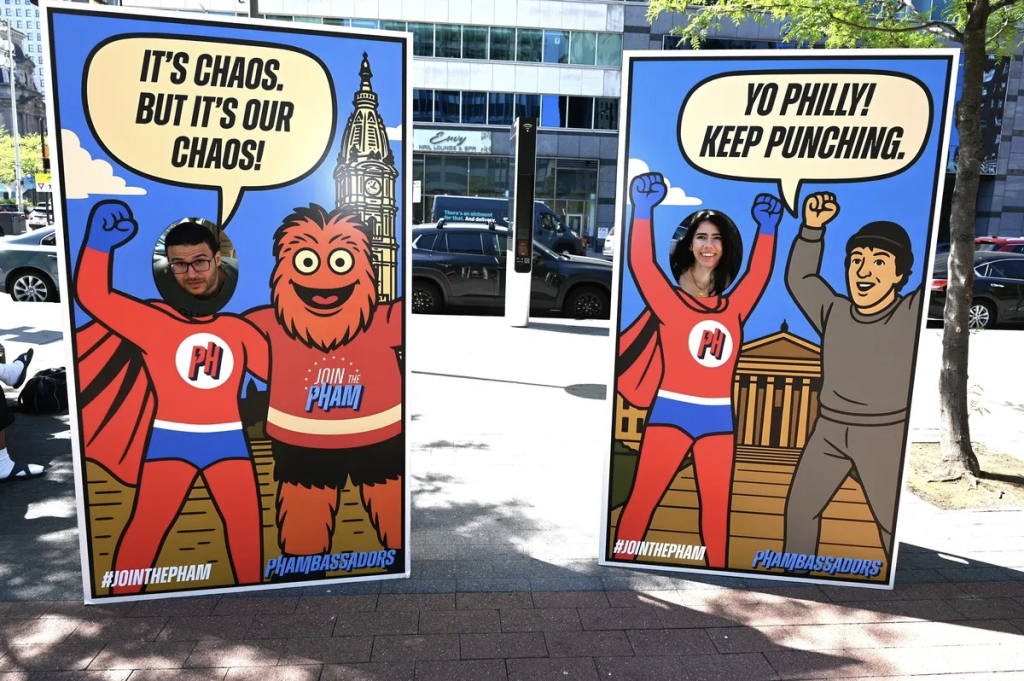
A life-size cutout of a superhero called the #Phambassador greets you. Rocky Balboa and Gritty, the absurd Flyers mascot turned leftist icon, urge you to “keep punching” and herald Philadelphia for “it’s chaos.” Welcome to Philadelphia’s FIFA Fan Festival, an expansive outdoor venue built for watching and celebrating the World Cup. Surrounded by jumbotrons, music, and the smell of international cuisine, it feels like you could be anywhere. Except, as the banners remind you: here, you are a “phan,” smelling “philly phlavors” in a city where “making history” is “the usual.”
Philadelphia occupies a unique position in US political and cultural life. In 1776, the city hosted the signing of the Declaration of Independence and, subsequently, the dwelling of the country’s first president. As of 2026, however, Philadelphia is known as the city with the most belligerent sports fans, where, per US President Donald Trump, “bad things happen.” At the same time, Philadelphia is also a stronghold for left-of-center politics and a sanctuary city.
In 2026, Philadelphia was set to host significant portions of both the FIFA World Cup (WC) and the US’s 250th Anniversary (America250). Amid the celebrations, however, the city was embroiled in controversy. In January, Trump ordered the removal of all references to slavery at the memorial to Washington’s Philadelphia residence. City leadership sued, condemning the attempt to “whitewash American history.” Weeks before July 4th, a court denied Philadelphia’s suit, clearing the way for the federal government to publicly rewrite the city’s past, omitting its history of slavery.
This essay considers how Philadelphia, its WC host committee (PS26), and tourism industry portrayed the city at this juncture, and what values these portrayals championed. Named Philadelphia Soccer 2026 (PS26), the official WC committee included 14 Pennsylvania state, sports, and tourism leaders. Two members and tourism leaders were interviewed as part of this research. The combined WC and America250 promotion, I argue, praised Philadelphia’s fan culture in a way that simultaneously rejected and accepted Trump’s attacks on the city’s reputation and history. Philadelphia embraced its position as the birthplace of US nationhood while also championing itself as an international city committed to the diversity, pride, and inclusion underlying both WC and Philadelphia culture.
Pre-cup, PS26 ran “How Do You Phan?,” a media campaign featuring soccer “phans,” such as a young player, convenience store shoppers, a barber, sports bar patrons, and chefs. Each scene welcomed people of different ethnicities, sketching out a city defined by working-class Black communities, Steven Starr kitchens, and fanaticism above all else. When the Cup began, PS26 highlighted Philly’s diverse immigrant communities in “Philly Welcomes the World,” a special campaign, where first- and second-generation Philadelphians sat for short interviews about their football fandom and immigration story from WC participant countries, such as Ecuador, Brazil, and Haiti.
PS26’s promotional strategy embraced Philadelphia’s most demonized attributes (poverty, rowdiness, fanaticism) alongside its most celebrated ones (passion and cultural vibrancy). Rather than deflecting negative stereotypes, these ads reframed them, casting the city’s roughness and raucousness as the very source of its distinctive enthusiasm. This sentiment was confirmed by PS26 member and CEO of Visit Philadelphia Angela Val, who said the committee’s primary goal was to “elevate the City’s national and international brand, improve civic pride, community inclusion and investment.” PS26 did not intend to rebrand Philadelphia but, rather, embrace and raise its existing recognition to underscore the city as a site worthy of hosting Cup games. This effort continued as international fan bases took over city streets and dressed the Rocky statue in their team jersey. Again and again, PS26 celebrated their enthusiasm, reposting and welcoming each fanbase.
While PS26’s #phan branding answered Trump’s attacks on the city’s reputation, the committee’s other project was reclaiming Philadelphia’s founding history and linking the WC atmosphere to the American Revolution. In promotional material, PS26 routinely described the city as, per Gov Josh Shapiro, “where it all began,” the birthplace of America and the Declaration of Independence. It routinely interwove promotion for World Cup games and America250 festivities, seeing the events as reinforcing experiences reflective of what Philadelphia stands for: grit and passion. As many Philadelphians approached the 250th anniversary with frustration, unhappy with the country’s anti-immigration policies and drift toward authoritarianism, PS26 pitched the WC as a vessel for celebrating Philadelphia and imagining what America could still be at 250. As residents and visitors gathered for the France-Paraguay game at Lincoln Financial Field—drinking, watching, singing together—they celebrated a vision of America as a welcoming, immigrant-built nation, proud of its diversity and passion.
We could read PS26’s efforts as merely a financially driven response to two tourism opportunities, but that reading undersells the stakes. Although the Presidents House itself remained absent from PS26 promotion, the larger controversy over who gets to define Philadelphia’s history continued to surround and provoke the committee’s narrative. “Philadelphia’s historic landscape reflects both the ideals the country was founded upon and the contradictions within that history,” explained PS26 member and PA Deputy Secretary of Tourism Anne Ryan. “We don’t see that as something to avoid but as what makes the city meaningful and relevant.” PS26 made deliberate choices to place Philadelphia’s history beside joyful Black, Brown, and immigrant bodies and stories. It opened that history up to its most infamous residents, transplants, and first-time visitors alike, welcoming them into its vibrancy and complexities together.