
Prof. Sean Tweedy
NIISQ Chair in Physical Activity and Disability, School of Human Movement and Nutrition Sciences, the University of Queensland. He is a member of the IPC Classification Compliance and Oversight Committee and Principal Investigator, IPC Classification Research and Development Centre
LinkedIn: linkedin.com/in/sean-tweedy-am-a7105711
Email: s.tweedy@uq.edu.au

Prof. John Cairney
Head of School of Human Movement and Nutrition Sciences, the University of Queensland. He is Deputy Executive Director of the Office of 2032 Games Engagement and Director of the Queensland Centre for Olympic and Paralympic Studies.
LinkedIn: linkedin.com/in/john-cairney68
Email: j.cairney@uq.edu.au

Prof. Sam Robertson
A researcher and consultant focusing on developing methods and systems to optimize integration between humans and technology. He holds an appointment at the School of Human Movement and Nutrition Sciences at the University of Queensland and is a consultant to the Innovation Division of FIFA.
LinkedIn: https://www.linkedin.com/in/robertsonsj/
Email: sam@trackconsultinggroup.com
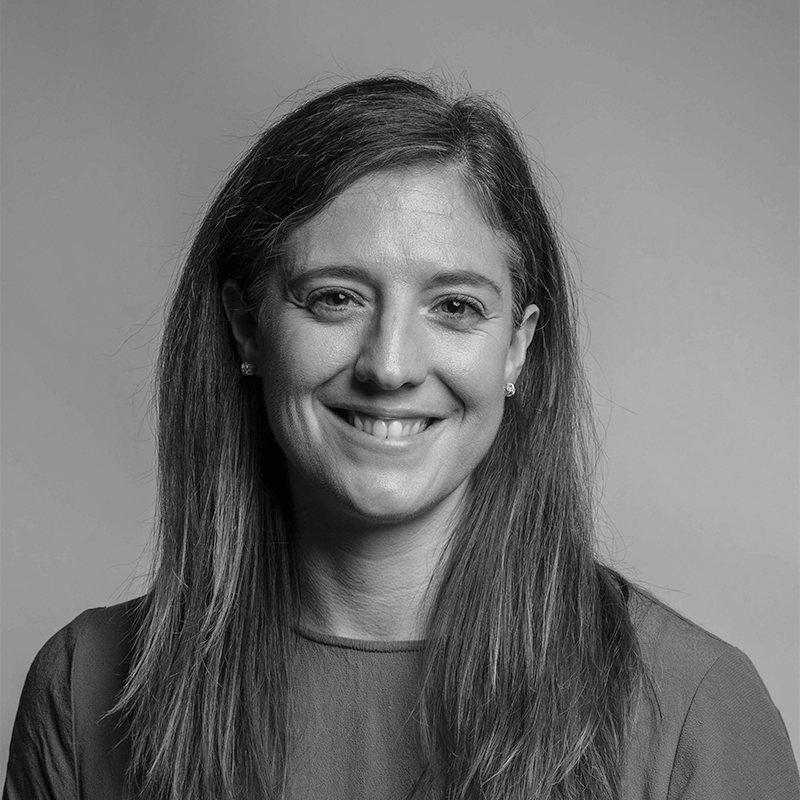
Prof. Emma Beckman
School of Human Movement and Nutrition, the University of Queensland is an International Classifier in World Para Athletics and Research Lead in the IPC Classification Research and Development Centre.
LinkedIn: linkedin.com/in/emma-beckman-590b4943
Email: e.beckman@uq.edu.au
Football is the world’s game. No other sport matches its global reach, cultural influence or viewing audiences. Yet one significant group does not feature prominently in football’s otherwise impressive program of showcase events and initiatives: people with disabilities.
This is not because disability football lacks talent or international appeal for a showcase event. Around the world, athletes compete in a range of established football formats, including for the blind, people with cerebral palsy, amputees and powerchair users. These disability-specific versions of football have dedicated participants, growing international competitions, and passionate supporters. What they lack is a global platform capable of bringing them together and showcasing their excellence.
A crucial barrier to such a platform is the organizational fragmentation of disability football. Different impairment groups are governed by separate organizations, each with distinct competitions and development pathways. These separate, focused organizations have enabled growth within individual disability groups, but their fragmentation limits visibility, commercial investment, and public awareness. They remain heavily reliant on participants, their parents and volunteers, often working with limited resources.
There is therefore a strong case for greater alignment. Consolidating governance arrangements could reduce duplication, improve economies of scale, and make more effective use of scarce resources. The question is not whether disability football deserves a larger platform, but who can provide that platform.
One possibility is the Paralympic Games, which represents the pinnacle of international sport for athletes with disabilities in many sports. Their success has transformed public perceptions of disability and created opportunities that would have been unimaginable a generation ago. Following the Paris 2024 Paralympic Games, nearly three-quarters of surveyed viewers reported more positive attitudes toward people with disabilities, while four in five reported greater appreciation of their abilities and stronger support for social inclusion.
However, the Paralympic Games also face a fundamental constraint: capacity. Despite dramatic global growth in Para sport participation and increasing demand from sports seeking Games inclusion, the number of athletes at the Games has remained steady at approximately 4,400 for the last quarter of a century. There is no official policy to cap athlete numbers but the cost of hosting the Games has been a concern for several decades now and, since growing athlete numbers will necessarily increase hosting costs, the lack of growth in athlete numbers at the Games is likely to be attributable – at least in part – to prioritization of games affordability.
Constrained numbers create a significant challenge. Men’s blind football is the only form of disability football on the Games program, and expecting multiple forms of disability football – both men’s and women’s – to gain meaningful representation within a finite Games program does not seem realistic.
An alternative pathway involves FIFA taking a more active leadership role. No sporting organization is better positioned to do so. FIFA already oversees the world’s most watched sporting event and possesses unparalleled expertise in delivery of football events, global promotion, commercial development and football participation. Its commitment to disability inclusion has also expanded considerably in recent years and includes the recently published Disability Football Toolkit which provides guidance on promoting participation by people with disabilities throughout the football ecosystem. Leading the establishment of a global event to showcase the very best of disability football represents both a natural extension of these commitments and an opportunity for FIFA.
Yet framing the future as a choice between FIFA and the Paralympic movement presents a false dilemma. Rather than asking whether disability football belongs with FIFA or the IPC, a more productive question may be how the two organizations can work together.
Each brings complementary strengths. FIFA understands football better than any organization, and its strengths have been enumerated above. The International Paralympic Committee (IPC) brings a different but equally important set of capabilities. Over several decades, the Paralympic movement has developed world-leading expertise in the specialist area of disability sport governance, including its unique components of classification, athlete eligibility criteria, competition integrity and rules. A collaborative model could combine the strengths of both organizations.
In practical terms, this could begin with disability football showcase tournaments staged alongside existing FIFA events. An integrated ‘festival of disability football’ could build audiences, attract sponsors, demonstrate demand and explore what a more integrated future might look like. Existing disability football organizations would remain central to the process while benefiting from stronger pathways for visibility and development.
Such an approach would address a looming issue for the IPC. Their mission is “… to enable Para athletes to achieve sporting excellence” and currently the undisputed pinnacle for establishing excellence is the Paralympic games. So, while IPC are rightly proud of growing the number of Para sports, the capacity to showcase and recognize the elite performers in these sports at the Paralympic Games is not growing. A successful partnership between FIFA and the IPC could provide a new model for recognizing and showcasing excellence among athletes with disabilities that would have unquestionable prestige and credibility, would benefit athletes and strengthen disability football.
If successful, such a partnership would allow FIFA to brilliantly showcase its sport and its commitment to inclusion. It would also provide the IPC with a model for expanding the opportunities for athletes with disabilities to demonstrate excellence beyond the Games. Opportunities that benefit FIFA, benefit the IPC and deliver meaningful social good are rare. This is one worth pursuing.